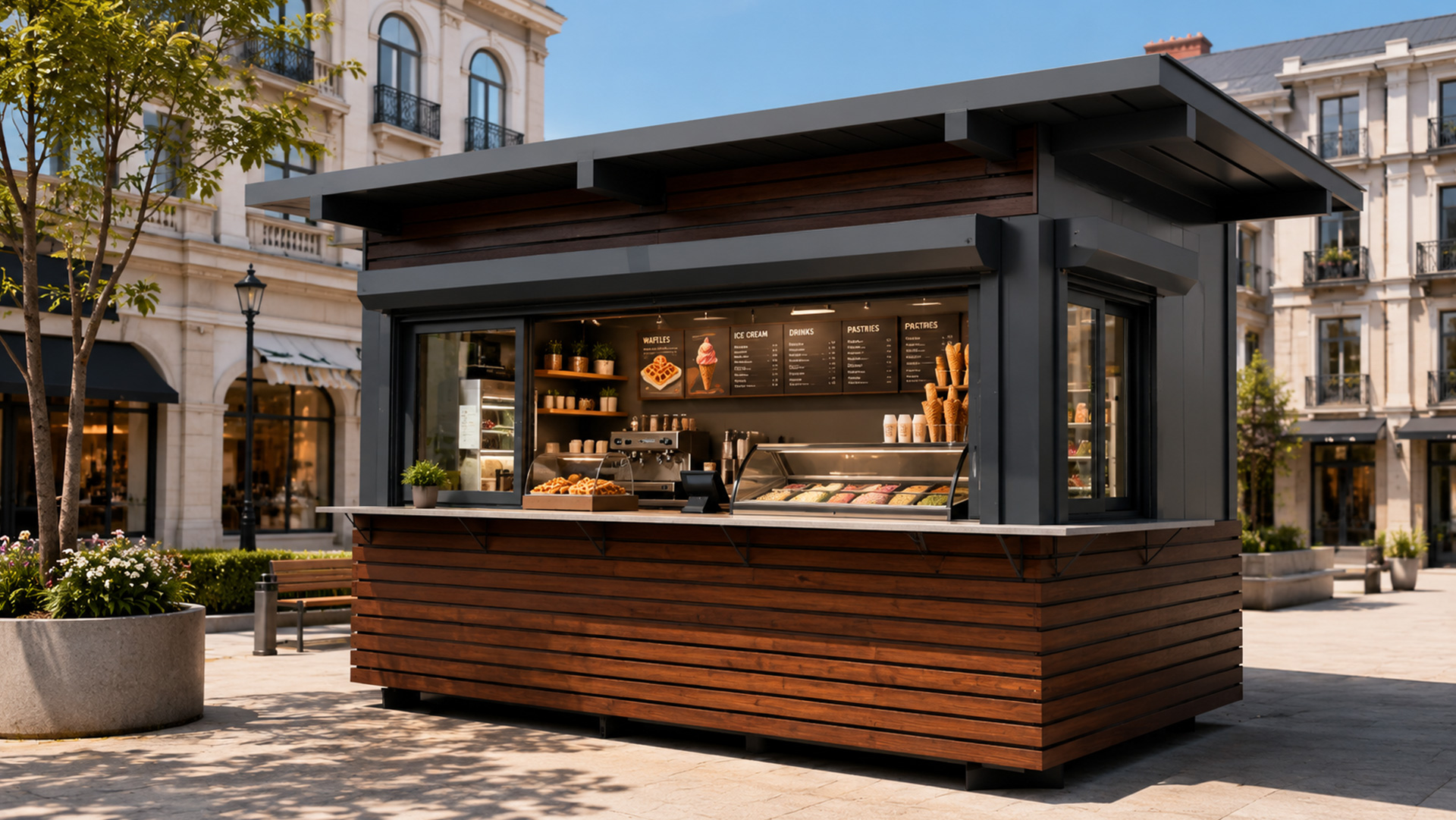
The landscape of UK business is rapidly evolving. Traditional brick-and-mortar premises are often expensive, slow to build, and entirely inflexible. Enter the modern alternative: commercial containers. Whether you are launching an artisan pop-up café, expanding your corporate office space, or looking for a highly secure modular storage unit, these versatile steel structures offer a fast, sustainable, and cost-effective solution.
However, before you arrange delivery and drop a container onto your site, there is a crucial hurdle to navigate: UK planning and building bureaucracy. A common misconception is that because containers are movable, they completely bypass local council regulations. Unfortunately, the reality is a bit more complex.
The Golden Rule: Is a Container Considered a "Building"?
In the eyes of UK planning law, the requirement for permission largely comes down to the concept of "permanence."
If you are placing a container on a piece of land temporarily—specifically for fewer than 28 days it is generally classified as a temporary "chattel" (a movable possession). In this short-term scenario, you typically do not need planning permission.
However, if your container is going to remain in the same spot for more than 28 days, the local planning authority (LPA) will almost certainly classify it as a permanent structure or a "building." At this point, the standard rules of land development apply.
Navigating Planning Permission for Commercial Units
If your project extends beyond the 28 day mark, you should assume that planning permission is required.
Here are the key factors your local council will consider when reviewing your application:
- Location: Is your site in a conservation area, an Area of Outstanding Natural Beauty (AONB), or near a listed building? If so, the rules will be significantly stricter.
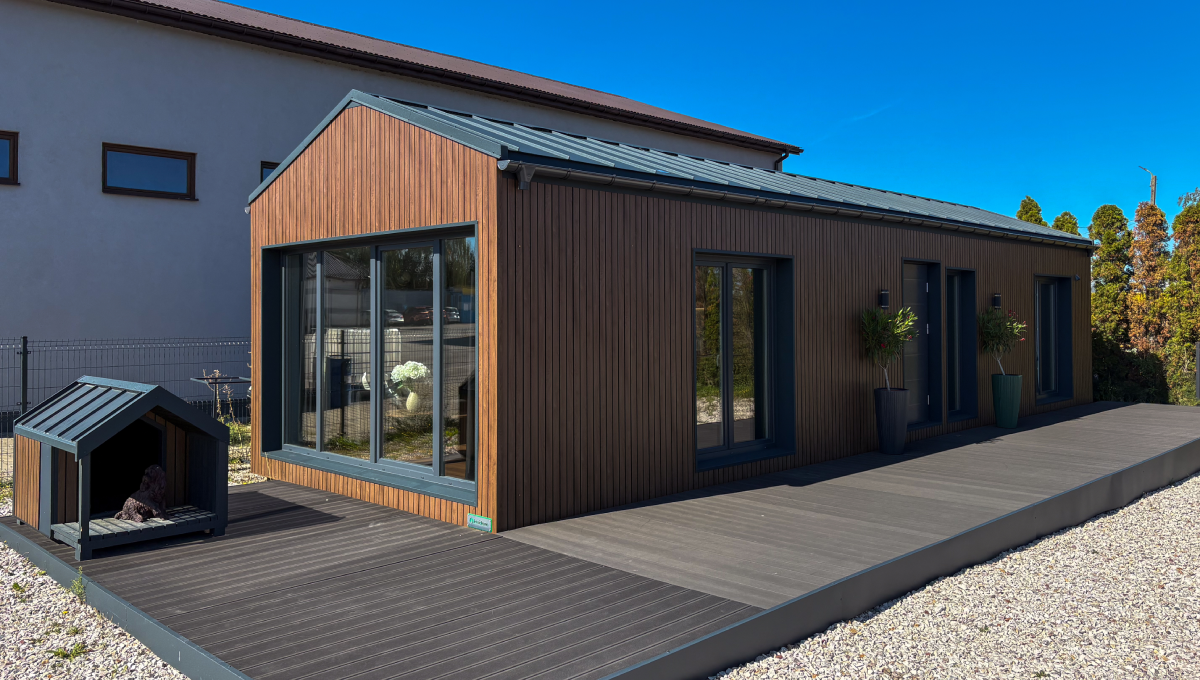
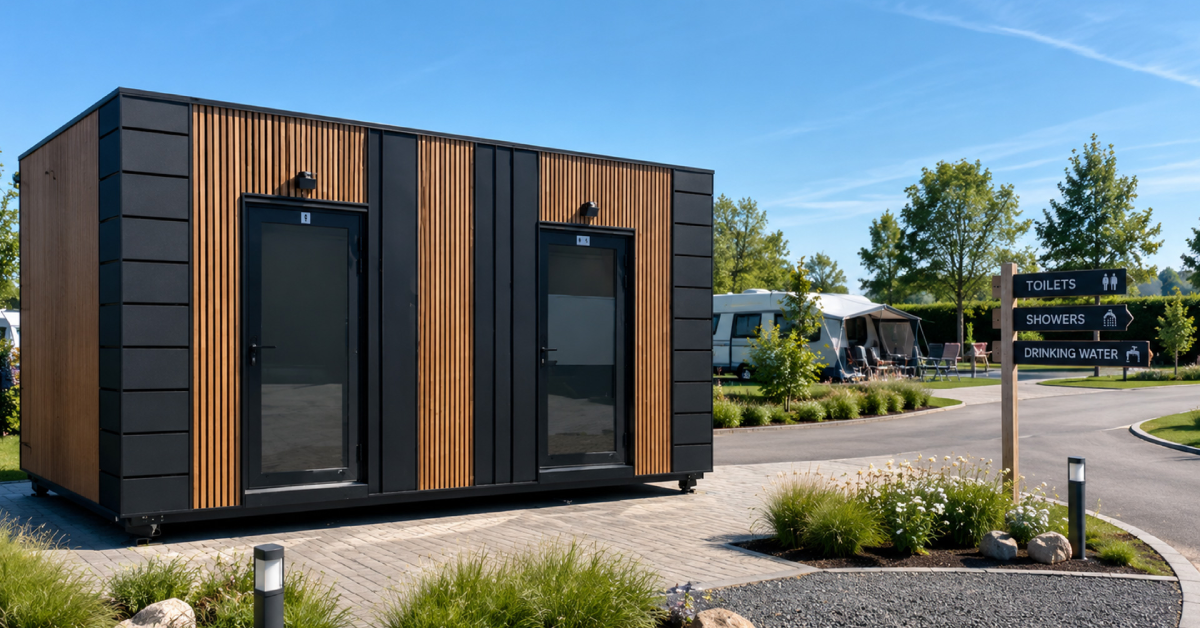
- Visual Impact: Does the container blend into the surrounding environment? Adding timber cladding or painting the unit in neutral tones can heavily work in your favour during the application process.
- Use Class: What are you using the container for? If you are placing a container on an existing industrial estate to use as a modular storage unit, it might fall under "Permitted Development." However, if you are changing the land's primary use (e.g., turning an empty lot into a retail space), you will definitely need permission for a "Change of Use."
- Highways and Access: Will your new commercial space increase traffic, take up parking spaces, or block access routes?
Building Regulations: Safety, Efficiency, and Access
While planning permission is concerned with where your container goes and what it looks like, Building Regulations are concerned with how it is built and whether it is safe for human use.
Because modern commercial modular buildings are frequently used as spaces where people work, dine, or visit, they are subject to strict UK Building Regulations. You will need building control approval to ensure your container meets national standards in several key areas:
- Fire Safety (Part B): The unit must have adequate fire escapes, fire-resistant materials, and proper alarm systems, especially if it is a public-facing business like a restaurant or retail shop.
- Insulation and Energy Efficiency (Part L): Bare steel is a poor insulator. To be legally used as a workspace or retail unit, the container must be properly lined and insulated to meet energy efficiency standards, retaining heat in the winter and staying cool in the summer.
- Ventilation (Part F): Proper airflow is legally required to prevent condensation, dampness, and poor air quality for your staff and customers.
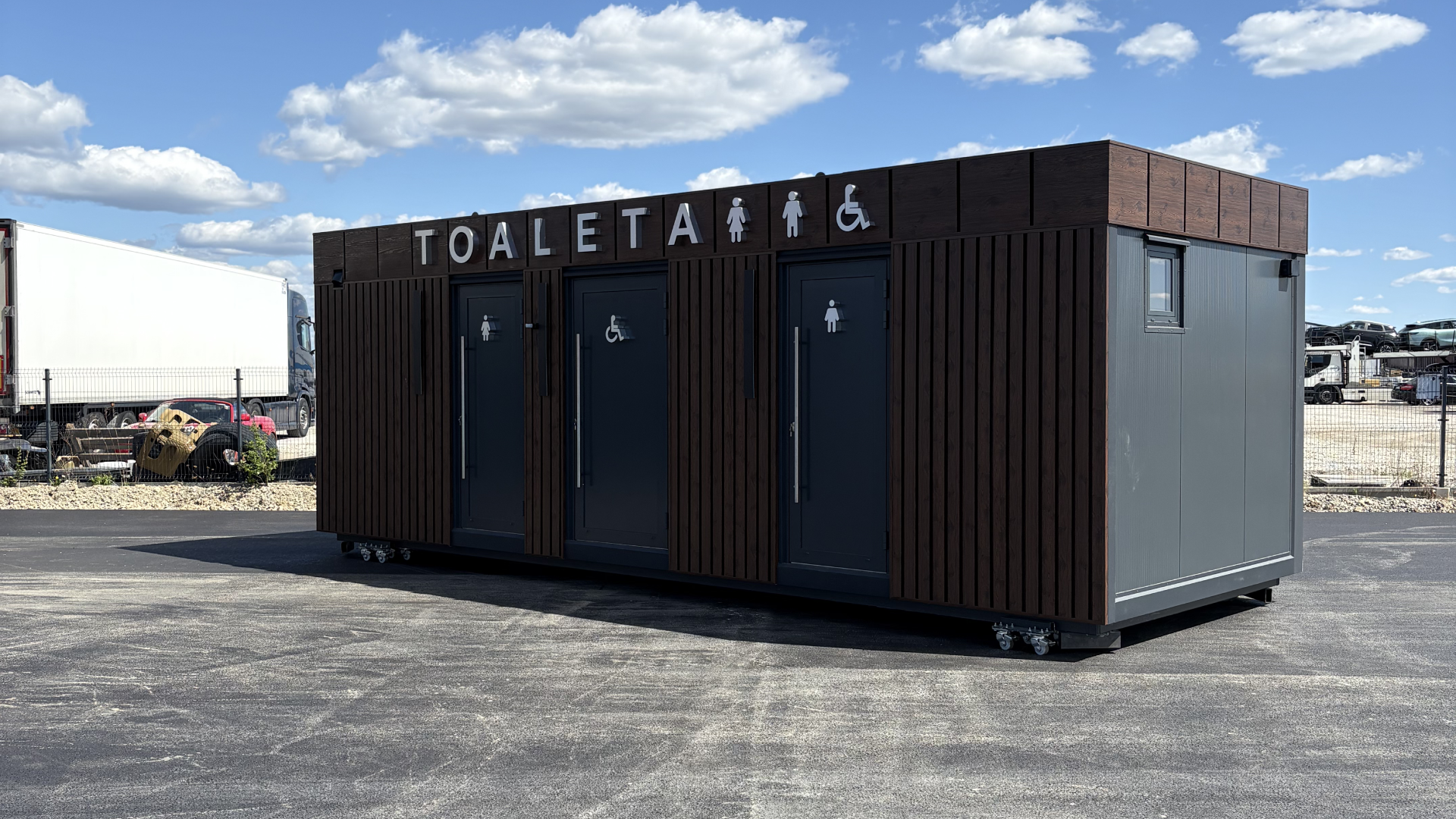
- Accessibility (Part M): If your container is open to the public or employs staff, it must be accessible. This often means installing ramps, widening doors, and ensuring wheelchair accessibility.
Why Choose UK Modular Homes?
Navigating the web of UK planning permissions and building regulations can feel overwhelming, but it shouldn't stop you from realizing your business goals. The key to a smooth, stress-free project is working with experts who understand the rules inside and out.
At UK Modular Homes, we specialize in designing and producing premium commercial containers and commercial modular buildings that are built with UK compliance in mind from day one. From ensuring superior insulation to meet Part L regulations, to designing aesthetically pleasing exteriors that keep local planning officers happy, we engineer our units for success.
Whether you need a bespoke office, a vibrant retail pop-up, or a reliable storage solution, our team is here to help you build the future of your business - legally, safely, and beautifully.