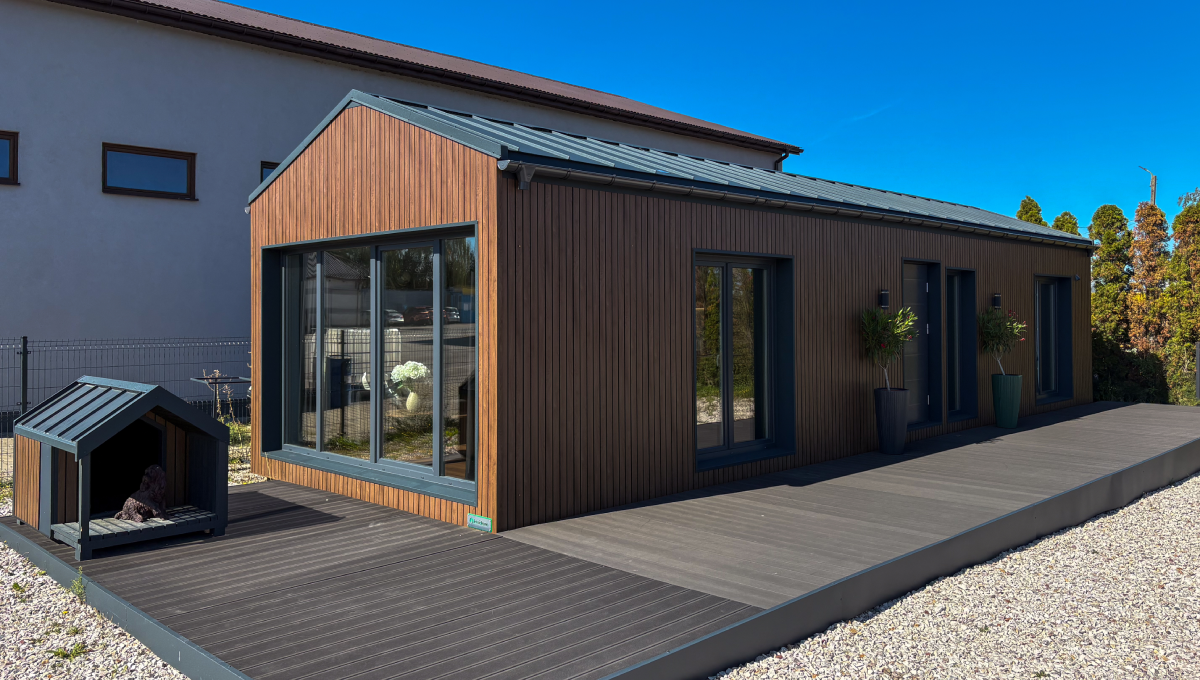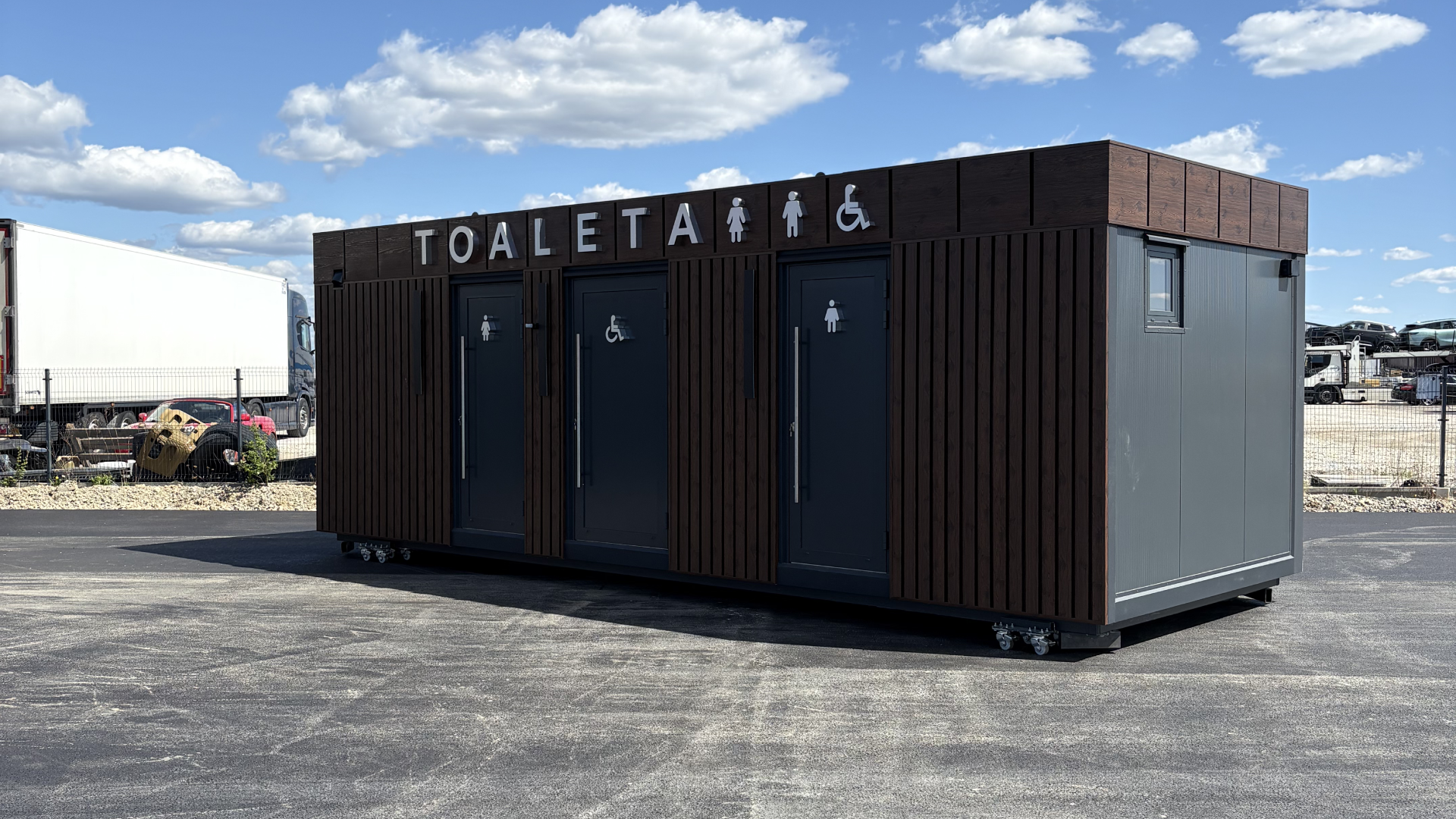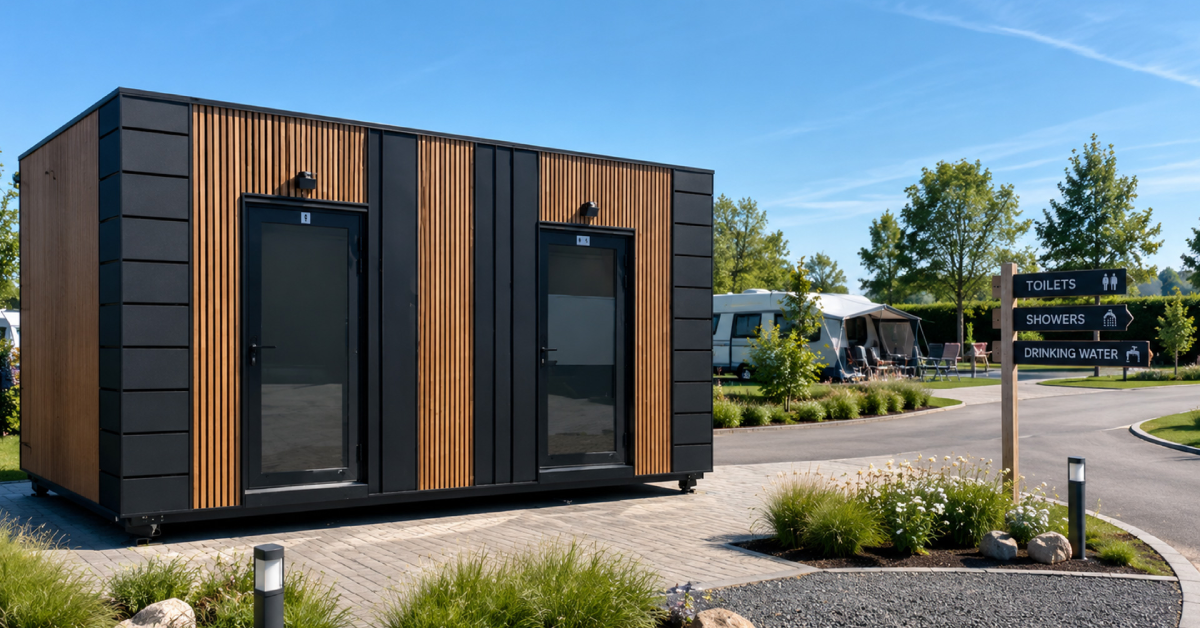
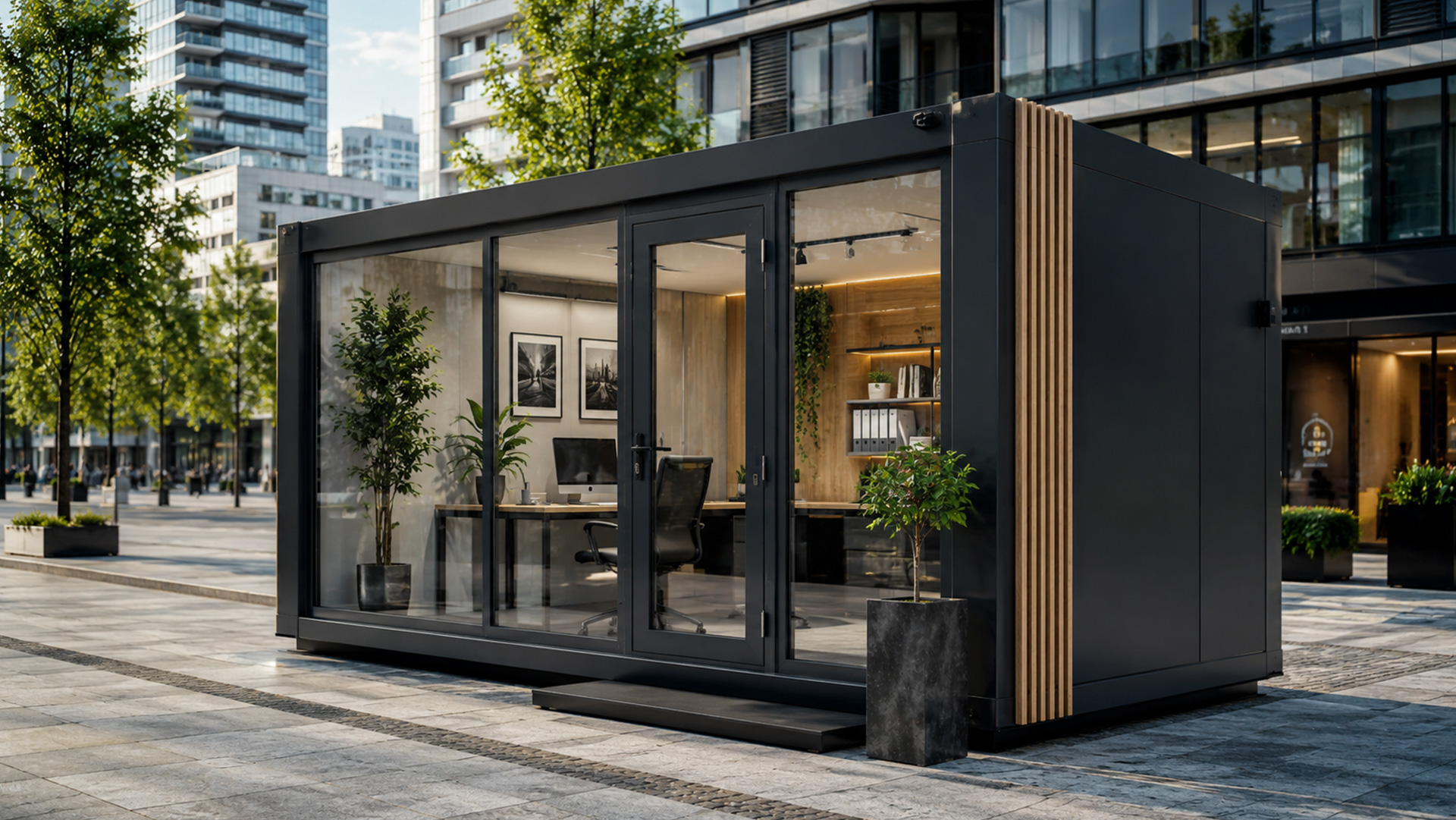
The modern workspace is evolving rapidly. Whether you are expanding a growing business, setting up a temporary base for a project, or creating a quiet sanctuary to work from home, finding the right space is crucial. Enter the container office and the modular office - the most versatile, cost-effective, and sustainable workspace solutions on the market today.
But before you drop your new Portable Office onto your land, a critical question arises: Do I need planning permission or building regulations approval in the UK?
Navigating UK planning laws can feel like wading through treacle. To make things simpler, we have broken down exactly what you need to know about permits for modular and container-based workspaces.
Do you need Planning Permission for a container office?
In the UK, the short answer is: It depends on how you use it, where you put it, and how long it stays there.
Unlike traditional brick-and-mortar extensions, a modular office or steel container is often classified as a "temporary structure." However, local planning authorities (LPAs) look at several factors to determine if your new workspace requires formal planning permission.
Temporary vs Permanent Use
If your office is genuinely temporary, for example, a construction site office used only for the duration of a specific building project, you generally do not need planning permission. Once the project is complete, the office simply moves on.
However, if you plan to keep the structure in the same location on commercial premises for more than 28 days, your local council will likely view it as a permanent addition, meaning you will need to apply for planning permission.
What about Building Regulations?
It is a common misconception that Planning Permission and Building Regulations are the same thing. They are entirely separate. While Planning Permission deals with the appearance and impact of the building on the local environment, Building Regulations ensure the structure is safe, well-insulated, and structurally sound.
Do modular and portable offices need to comply?
Yes, in most cases. If your container office is going to be a permanent fixture where people work daily, it will likely need to comply with UK Building Regulations. This covers:
- Fire safety: Adequate escape routes and fire-resistant materials.
- Insulation and ventilation: Ensuring the space meets energy efficiency standards (Part L).
- Electrical safety: Any mains wiring must be signed off by a certified electrician.
Are there any exemptions?
There are a few scenarios where your Portable Office might be exempt from Building Regulations:
- It is a small detached building with a floor area under 15 square metres, containing no sleeping accommodation.
- It is between 15 and 30 square metres, contains no sleeping accommodation, and is situated at least one metre from any boundary (or is constructed of non-combustible materials).
Even if your structure is exempt, any electrical installation must still comply with Part P of the Building Regulations. Because a modern modular office is manufactured in a controlled factory environment, high-quality providers (like UK Modular Homes) build them to strict standards from the ground up, making compliance much easier to achieve.
Ready to expand your workspace?
Adding a new office doesn't have to mean months of disruptive construction. Whether you are looking for a sleek, permanent modular office or a rugged, relocatable solution for your business, the right preparation makes installation a breeze.
At UK Modular Homes, we specialize in delivering high-quality, compliant, and beautifully finished modular structures designed for the UK climate and regulations, so give us a call to start off on your project!