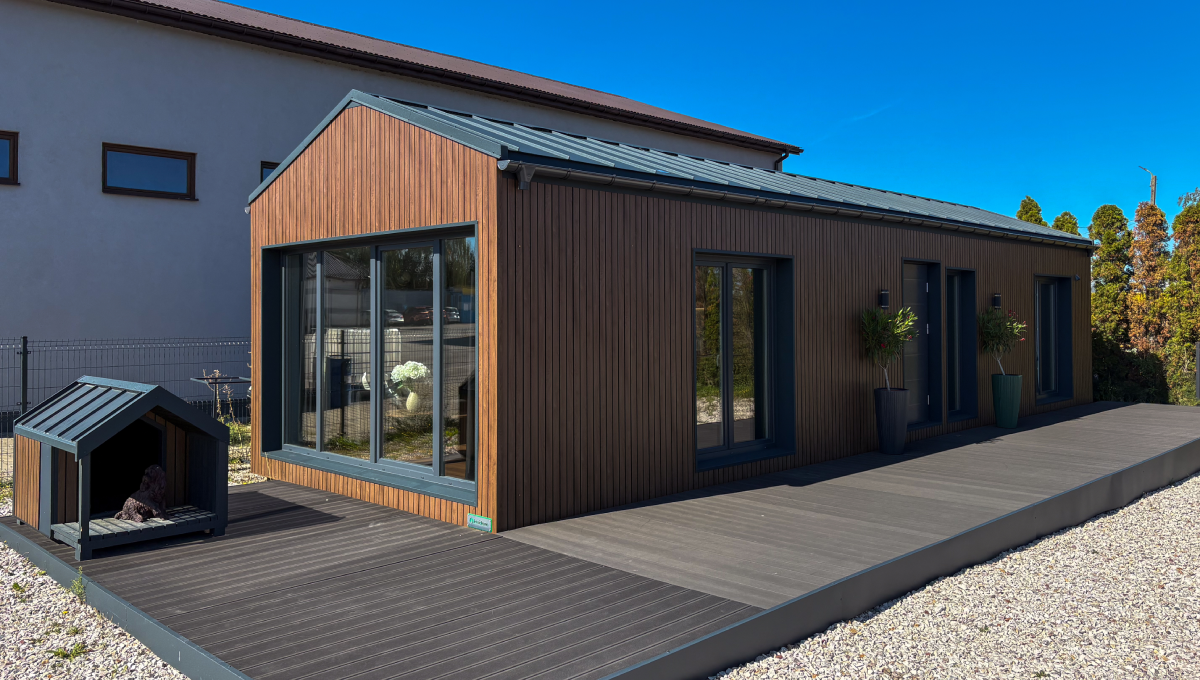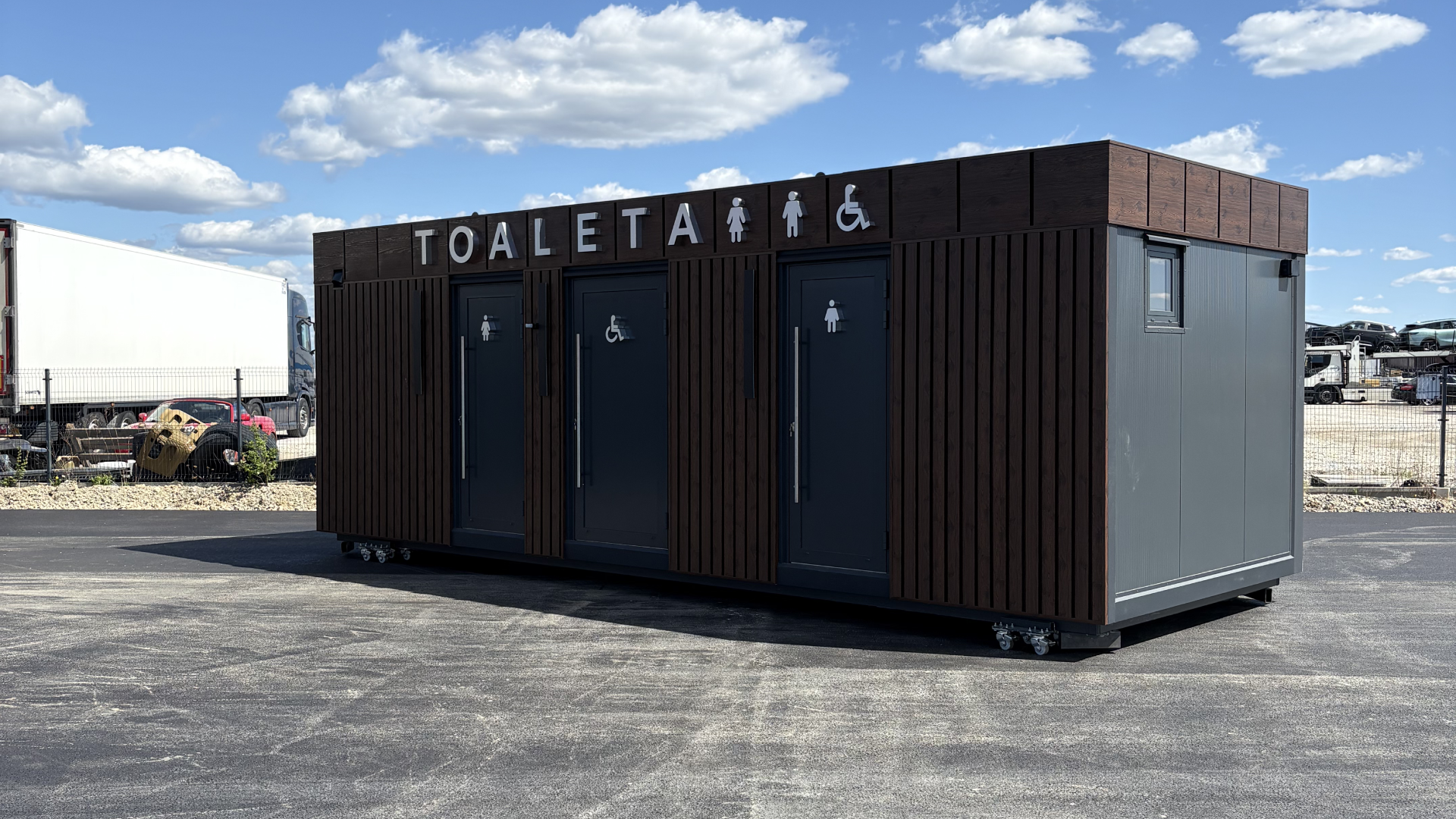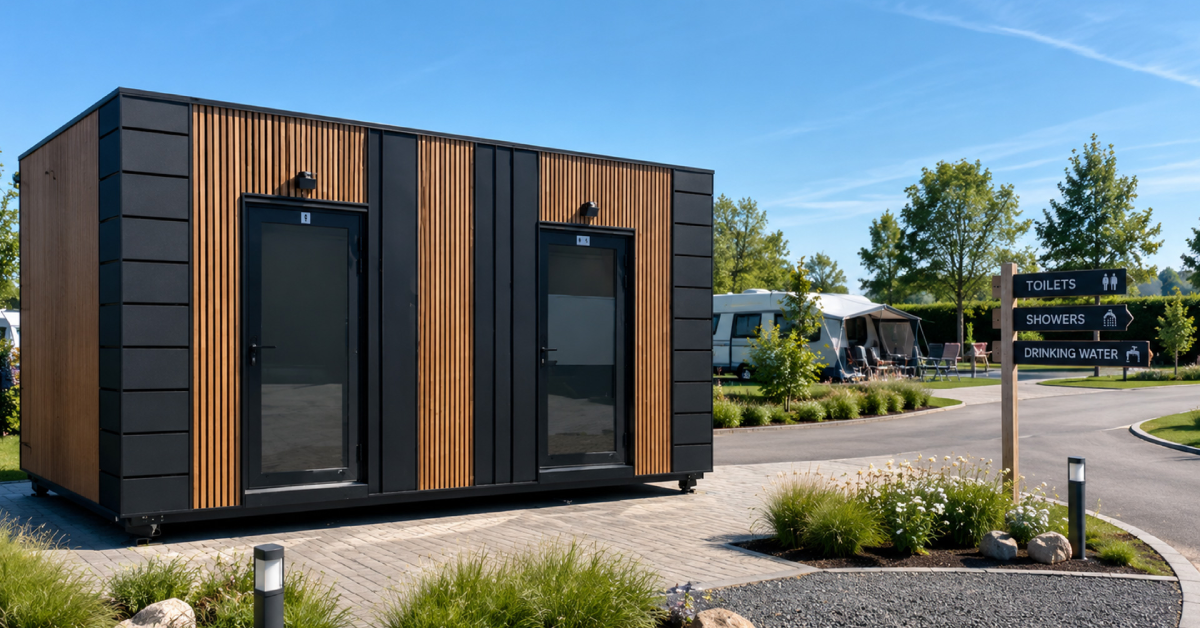
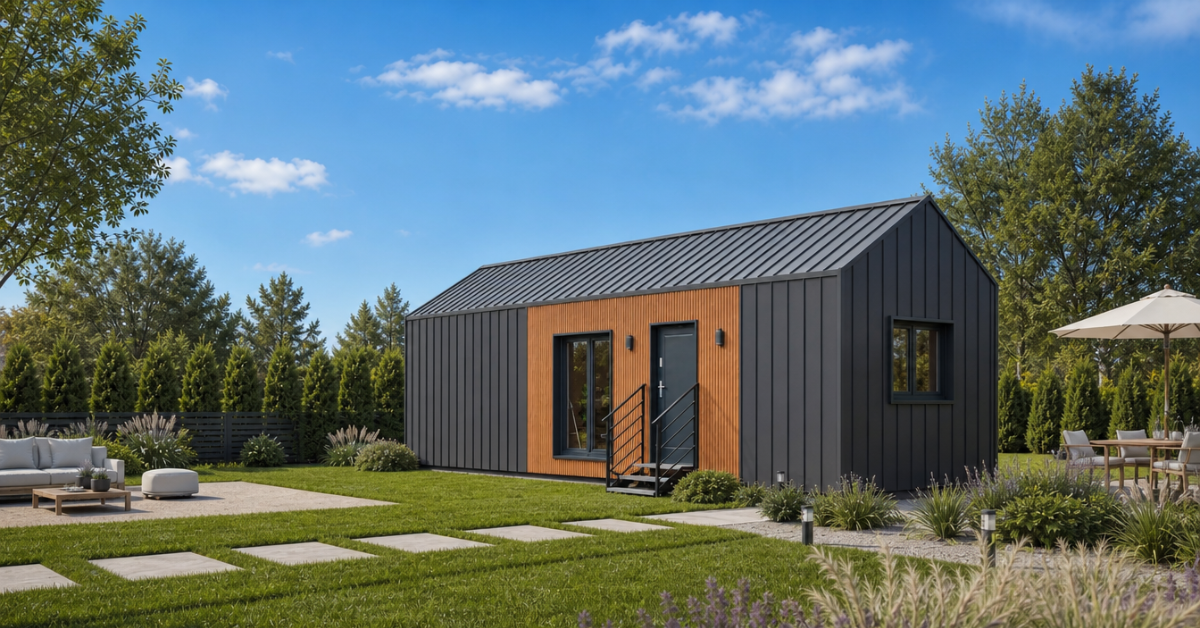
If you are considering stepping onto the property ladder or looking to downsize, you have likely come across the concept of a modular house. Once unfairly lumped in with the flimsy prefab bungalows of the post-war era, modern modular homes have undergone a massive architectural revolution. Today, they are sleek, highly sustainable, and increasingly popular across the UK.
But when you are making one of the biggest financial investments of your life, one critical question stands above the rest: how long does a modular home last?
The short answer is: just as long as a traditionally built brick-and-mortar house. In fact, under the right conditions, an off-site manufactured building can easily last for 60 to 100 years or more, according to the official research done by specialists and scientits from Edinburgh Napier University.
Let’s dive into the reality of modular house durability, why they hold up so well against the unpredictable British weather, and how a bit of smart maintenance can ensure your home lasts for generations.
The Science of Durability: Built in a Factory, Built to Last
The secret to the longevity of a modern modular house lies in how it is constructed. Unlike traditional builds, where timber and blocks sit out in the damp British rain for months during construction, modular homes are built inside precision-controlled factories.
- Zero Weather Degradation: Because the modules are constructed indoors, the materials are never exposed to moisture, warping, or rot before assembly.
- Engineered for the Road: Think about the journey a prefab home takes. It has to be loaded onto a flatbed lorry, transported down the motorway, and craned into position. To survive these intense structural stresses, modular homes are often over-engineered with incredibly robust steel frames or high-grade timber engineered panels. If a building can survive 60 mph ride, it can handle a standard British winter on its foundations.
Modular buildings also meet the exact same UK Building Regulations as traditional houses . Furthermore, high-quality manufacturers build their homes to qualify for standard structural warranties, such as the BOPAS (Builoffsite Property Assurance Scheme) accreditation, which specifically certifies that the building will have a durability of at least 60 years.
Key Factors That Influence Longevity
While the core structure of a modular home is incredibly tough, its ultimate lifespan depends on a few vital variables:
The Foundation
A house is only as good as what it sits on. Off-site built houses require properly engineered foundations - usually concrete piers, strips, or screw piles. If the ground prep is poor, moisture can seep upward, or the ground can shift, putting stress on the modules.
Material Quality
There is a massive spectrum in the modular market. Premium homes utilize structural insulated panels (SIPs), treated timbers, or light-gauge steel frames alongside high-performance cladding. Investing in superior materials upfront pays massive dividends in lifespan.
Professional Assembly
The "zipping up" process i.e. when the factory-built modules are permanently joined together on-site is critical. Ensuring that the seals, roof joins, and utility connections are executed flawlessly by experienced contractors prevents future leaks and drafts.
Simple Maintenance to Keep Your Modular Home Pristine
Just like a traditional brick property, a modular home requires regular upkeep to hit that century mark. Because many such houses utilize modern cladding rather than bare brick, your maintenance checklist looks a little different:
- Inspect the Seals and Joins: Once a year (ideally before winter hits), do a visual check of the external joints where the modules connect. Ensure the weatherproof seals are intact.
- Gutter Maintenance: Keep your gutters free from autumn leaves. Water overflow can stain or degrade exterior cladding over time.
- Cladding Care: If your home features timber cladding, it may need a fresh coat of protective stain or UV sealer every few years. If it features composite or metal cladding, a simple washdown with a hose once a year will keep it looking brand new.
- Roof Checks: Inspect the roof flashing and tiles after major storms to ensure everything remains watertight.
A Sustainable, Lifetime Investment
When asking how long does a modular home last, it’s comforting to know that modern engineering has bridged the gap between speed and permanence. You aren't buying a temporary cabin; you are buying a permanent, energy-efficient, mortgageable home. By choosing a quality builder and keeping up with basic maintenance, your prefab home will remain a warm, safe, and beautiful space for your family well into the next century.